
Top Waterproofing Products for Reliable Protection
Discover the leading waterproofing solutions designed to safeguard your property from moisture and water damage effectively.
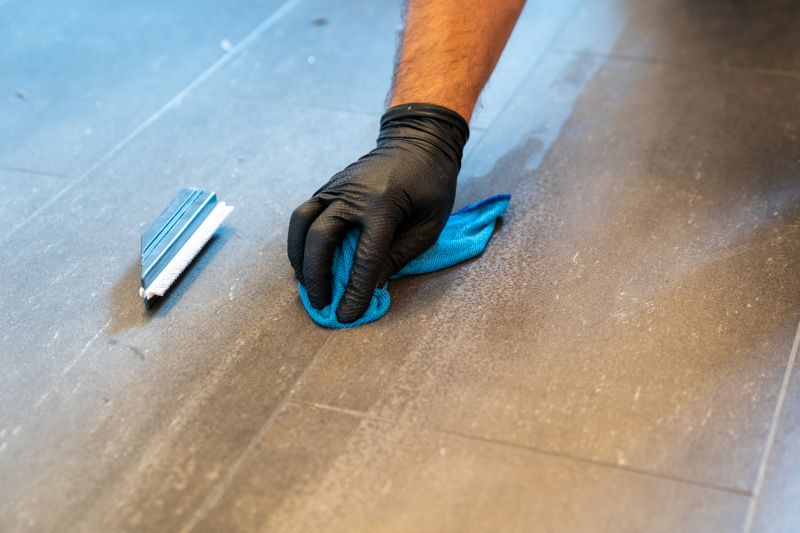 Waterproofing products are essential solutions for protecting structures from moisture intrusion, leaks, and water damage. They come in various forms suitable for different applications, including foundations, roofs, basements, and interior surfaces. Choosing the right waterproofing product depends on the specific needs of the project, the type of surface, and environmental conditions. Proper application and selection can significantly extend the lifespan of buildings and prevent costly repairs over time.
Top Overall Option
Liquid Waterproofing Membrane
A liquid waterproofing membrane provides a seamless, flexible barrier that can be applied to various surfaces including roofs, foundations, and basements. Its versatility allows for easy application on complex shapes and irregular surfaces, making it suitable for both new projects and repairs. When properly applied, it creates a durable layer that resists water infiltration and can accommodate minor structural movements. This type of waterproofing is often favored for its ease of use and ability to form continuous coverage without seams or joints.
Types of Products For Waterproofings
Bituminous Coatings
Bituminous coatings are thick, tar-like substances applied to surfaces to create a waterproof layer, commonly used on roofs and foundations.
Polyurethane Sealants
Polyurethane sealants offer flexible, durable joints and cracks sealing for various surfaces, ideal for expansion joints and cracks.
Liquid Rubber Coatings
Liquid rubber coatings provide a seamless waterproof barrier suitable for roofs, basements, and decks, known for their elasticity.
Membrane Sheets
Sheet membranes, typically made of rubber or bitumen, are installed on surfaces to form a continuous waterproof layer, often used in foundation waterproofing.
Cementitious Waterproofing
Cementitious products are cement-based formulas that are easy to apply and commonly used on interior walls and below-grade structures.
Spray-On Waterproofing
Spray-on solutions allow for quick application over large areas and irregular surfaces, creating a waterproof coating.
Waterproofing Paints
Specialized paints designed to resist water infiltration, often used on interior surfaces or as a finishing layer.
Polymer Modified Bitumen
Enhanced bitumen formulations with polymers for increased flexibility and durability, suitable for roofing and foundation applications.
Bitumen Membranes
Pre-formed bitumen membranes are used in roofing and below-grade applications for their waterproofing qualities.
Crack Injection Systems
Specialized systems used to fill and seal cracks in concrete structures, preventing water ingress.
Hydrophobic Sealants
Sealants that repel water on contact, used for sealing joints, cracks, and penetrations.
Self-Adhesive Membranes
Pre-formed membranes with adhesive backing for easy installation on various surfaces, providing a reliable waterproof barrier.
Epoxy Coatings
Durable coatings often used on concrete surfaces to provide waterproofing and chemical resistance.
Drainage Composites
Materials designed to facilitate water drainage away from structures, often used in foundation systems.
Vapor Barriers
Materials installed to prevent moisture vapor transmission through walls and floors.
Popular Choices
A versatile solution used in various applications for creating a seamless waterproof layer.
Widely used for their proven waterproofing capabilities on roofs and foundations.
Commonly selected for sealing joints and cracks due to their flexibility.
Popular for foundation waterproofing because of their durability and ease of installation.
Favored for interior walls and below-grade structures for straightforward application.
Chosen for large or irregular surfaces requiring quick and uniform coverage.
Often used as finishing coats to add an extra layer of water resistance.
Selected for their enhanced flexibility in roofing and foundation projects.
Trusted for their long-standing performance in waterproofing applications.
Popular for repairing existing cracks and preventing water leaks.
Effective for sealing joints and penetrations against water ingress.
Easy to install and reliable for various waterproofing needs.
Chosen for their durability in waterproofing concrete surfaces.
Useful in foundation drainage systems to direct water away.
Important in controlling moisture transmission through building assemblies.
In residential settings, waterproofing often involves sealants and coatings that create a barrier against water penetration. For larger commercial or industrial projects, more robust systems such as membranes, sprays, and liquid-applied coatings are commonly used. Each type of product offers unique advantages, whether it's flexibility, durability, ease of application, or compatibility with various surfaces. Understanding the differences can help in making informed decisions that align with project requirements.
Maintenance and regular inspection are also vital components of effective waterproofing. Over time, exposure to the elements can degrade certain materials, making periodic reapplication or touch-ups necessary. Consulting with professionals or thoroughly researching product specifications can ensure the selected waterproofing solution performs as intended. Properly applied waterproofing products can provide peace of mind by helping to safeguard structures from water-related issues in the long term.
Whether for new construction, renovation, or repair projects, selecting appropriate waterproofing products is a critical step. From simple sealants to advanced membrane systems, the market offers a wide array of options designed to meet diverse needs. Careful consideration of application methods, longevity, and compatibility with existing materials will help achieve optimal results and protect your property effectively.
Key Buying Considerations
- Identify the specific area or surface that requires waterproofing to select the most suitable product type.
- Consider the environmental exposure, such as UV rays, temperature fluctuations, or chemical exposure, which can influence material choice.
- Evaluate the flexibility and elasticity of the product, especially for surfaces prone to movement or expansion.
- Check the longevity and durability of the waterproofing solution to ensure it meets project timelines and expectations.
- Assess ease of application, including whether the product requires professional installation or can be applied DIY.
- Determine compatibility with existing materials or surfaces to ensure proper adhesion and performance.
- Review the drying or curing time to plan application schedules accordingly.
- Consider the product's resistance to cracking, peeling, or other forms of degradation over time.
- Look into maintenance requirements and whether reapplication or touch-ups are necessary periodically.
- Verify if the product is suitable for the specific climate conditions in Lakeville, MN, including freeze-thaw cycles and moisture levels.
- Understand the safety and handling instructions to ensure safe application and storage.
- Evaluate the cost-effectiveness by balancing initial investment with expected lifespan and performance.
- Check for any manufacturer warranties or guarantees that provide additional assurance.
- Research user reviews and professional recommendations to gauge real-world performance.
- Ensure the product complies with local building codes and standards relevant to waterproofing in Minnesota.